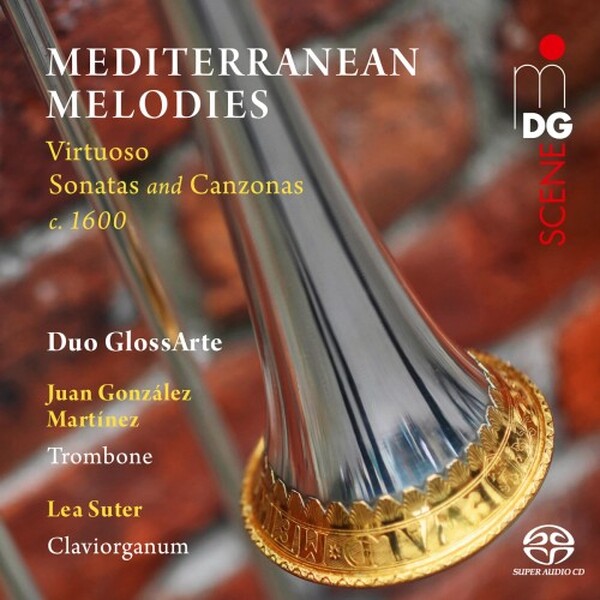
Mediterranean Melodies
£14.73
Despatch Information
This despatch estimate is based on information from both our own stock and the UK supplier's stock.
If ordering multiple items, we will aim to send everything together so the longest despatch estimate will apply to the complete order.
If you would rather receive certain items more quickly, please place them on a separate order.
If any unexpected delays occur, we will keep you informed of progress via email and not allow other items on the order to be held up.
If you would prefer to receive everything together regardless of any delay, please let us know via email.
Pre-orders will be despatched as close as possible to the release date.
Label: MDG (Dabringhaus und Grimm)
Cat No: MDG90323876
Format: Hybrid SACD
Number of Discs: 1
Genre: Chamber
Expected Release Date: 23rd January 2026
Contents
Works
Todo el mundoSonata prima
Sonata seconda
La Hieronyma
Sonata prima
Sonata seconda
Partite sopra La Monica
Deus canticum novum
Capriccio sopra Re Fa Mi Sol
Pulchra es amica mea
Susanna d'Orlando
Toccata settima
Salaverde, Bartolomeo de Selma y
Canzona primaCanzon terza
Artists
Duo GlossArteAbout
The bright, lyrical and contoured sound of the silver trombone is perfectly suited to virtuosic passages, from Renaissance ornamentation to Baroque stylus fantasticus. The expressive richness that Spanish historical trombone virtuoso, Juan González Martínez explores finds an imaginative and charismatic counterpart in Swiss-born organ and harpsichord specialist Lea Suter.
From Venice to Seville, from Naples to Toledo – Duo GlossArte trace the virtuosos of the era. Salaverde’s Canzoni are characterised by rhythmic dance-like episodes and melodic twists reminiscent of Spanish folklore and its Moorish roots. Rhythm, harmony and figuration form a dramatic cycle in Frescobaldi‘s Partite sopra La Monica. His student, Rossi, pushes boundaries in his free fantasy Toccata settima which is full of chromaticism, surprising harmonies, and dramatic changes of mood.
One of the earliest compositions especially for the trombone is Rognoni's Susanna d'Orlando written in 1620 which showcases all the expressive possibilities of rhetoric and ornamentation. Rognoni also skilfully expresses the instrument’s lyrical qualities in Pulchra est anima mea.
Error on this page? Let us know here
Need more information on this product? Click here